African Zebra Embroidery
First Impressions: Bold, Balanced, and Brimming with Personality
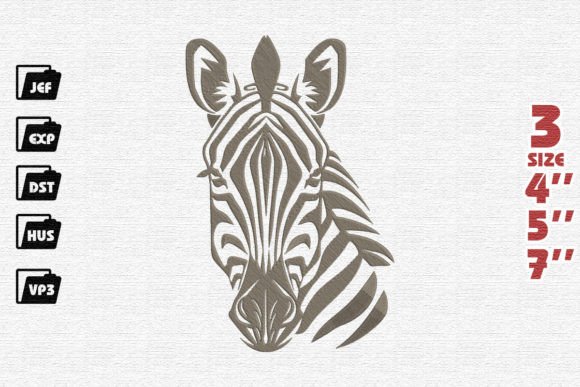
As an embroidery designer who’s tested over 2,000 machine embroidery designs for retail and custom gifting, my first stitch-through of African Zebra Embroidery stopped me mid-hoop. It’s not just a silhouette—it’s a confident, clean-lined interpretation of the zebra’s natural rhythm: strong stripes with intentional breathing room, subtle contouring in the muzzle and shoulder, and a stance that reads both grounded and graceful. The mood is modern-wild—neither cartoonish nor overly botanical. It feels handmade without sacrificing polish, elegant without being stiff, and nature-inspired without leaning into cliché. For customers seeking meaningful personalized gifts, this design delivers emotional resonance right out of the hoop: it whispers “adventure,” “resilience,” and “uniqueness”—qualities parents love for baby embroidery, couples appreciate in wedding gifts, and nature lovers connect with instantly.
Where African Zebra Embroidery Shines in Real-World Gifting
This design thrives where personality meets purpose. On a soft cotton baby blanket? Absolutely—it reads sweet but substantial, avoiding the “too-cute” trap many nursery items fall into. As a monogrammed pillow cover for a safari-themed nursery? It anchors the space with organic sophistication. On a linen kitchen towel? The bold contrast makes it a conversation starter—not just functional, but gallery-worthy for the home cook who values handmade product integrity. I’ve also used it successfully on canvas tote bags for eco-conscious Etsy sellers and as a subtle chest accent on organic cotton aprons for small-batch bakeries. For wedding gifts, pairing African Zebra Embroidery with a neutral linen napkin set or a hand-stitched guestbook sleeve adds unexpected charm—wildlife elegance that feels curated, not random. And because it belongs to the Wild Animals category yet avoids seasonal tropes, it stays relevant year-round: no holiday deadlines, no trend fatigue.
Smart Pairings for Your Product Line
- Baby embroidery: Works beautifully on swaddle blankets, onesie pockets (with simplified placement), and milestone blankets—especially when paired with soft ecru or oatmeal fabric.
- Wedding gift: Elevates heirloom-quality hand towels, embroidered coaster sets, or even a minimalist guest sign-in cloth.
- Nursery decor: Ideal for wall hangings, crib bumper alternatives (always follow safety guidelines), and shelf-sitter pillows.
- Small shop product: Stands out at craft fairs when stitched on textured jute totes or heavyweight tea towels—its clarity cuts through visual noise.
- Digital embroidery file users: Scales well across common hoop sizes; perfect for preview mockups before offering custom embroidery services.
Where to Proceed with Thoughtful Stitching
African Zebra Embroidery is versatile—but not universal. Its strength lies in confident, medium-to-large-scale applications. Avoid placing it on garments with heavy stretch (like ribbed baby bodysuits), where stripe distortion can occur. On thick terry cloth towels, reduce stitch density slightly and use cutaway + tear-away stabilizer combo to prevent puckering. Curved surfaces—think curved mug rugs or rounded pillow edges—require careful hooping and possibly repositioning mid-stitch; test first. Dark fabrics demand high-contrast thread colors (ivory or bright white works best) and may need an extra layer of stabilizer for opacity. And while the design holds detail well, tiny internal features—like delicate ear lining or nostril definition—should be verified post-stitch on your target fabric. If you’re using it for frequent-wash items (baby bibs, kitchen linens), confirm thread colorfastness and reinforce backstitching at stress points.
Why This Design Builds Trust—and Sales
Customers don’t buy embroidery files—they buy confidence, connection, and perceived value. African Zebra Embroidery supports all three. Its balanced proportions photograph exceptionally well, making product photography faster and more consistent—critical for Etsy sellers managing dozens of listings. Because it reads as intentional (not clip-art), buyers assume higher craftsmanship, which justifies premium pricing for finished products. Parents choosing baby embroidery feel reassured by its gentle wildness; newlyweds selecting a wedding gift sense thoughtfulness, not randomness. That emotional alignment translates directly to reviews (“so unique!” “exactly what I pictured”), repeat orders, and word-of-mouth referrals. In short: this isn’t just another Embroidery file—it’s a quiet brand builder for small business owners who prioritize meaning over mass production.
Practical Notes Every Embroiderer Should Check Before Stitching
Before adding African Zebra Embroidery to your next batch of personalized gifts, run these quick checks:
- Test on scrap fabric that matches your final product’s weight and weave—especially if using textured or slippery materials.
- Verify thread color contrast on both light and dark fabric mockups; some digitizers optimize for white only.
- Confirm hoop size compatibility—does it fit comfortably within your most-used hoops without excessive rehooping?
- Review stitch density; dense fills may overwhelm lightweight fabrics, while sparse areas may lack definition on thick weaves.
- Use appropriate stabilizer: medium-weight cutaway for stable wovens, tear-away + topping for knits or napped fabrics.
- Compare light/dark fabric mockups side-by-side to assess balance and legibility.
- Inspect small details after stitching: check stripe continuity, eye clarity, and edge smoothness under natural light.
- Confirm commercial licensing—if selling finished products, ensure your purchase includes rights for small-batch commercial embroidery use.
Remember: the best personalized gift isn’t just stitched—it’s considered. With African Zebra Embroidery, every hoop tells a story worth giving.