Corn Embroidery Design
A Designer’s First Look: Charm, Clarity, and Seasonal Heart
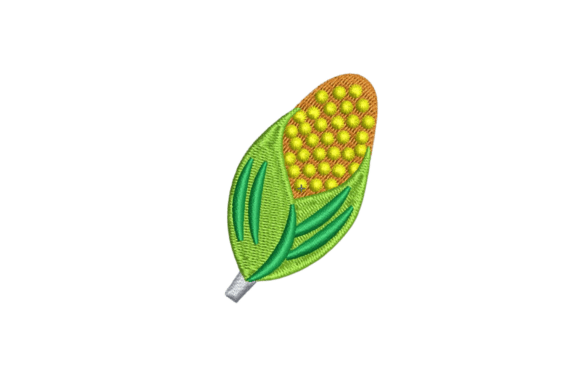
As an embroidery designer who’s tested hundreds of digital embroidery files for personalized gift shops, I opened the Corn Embroidery Design with quiet anticipation—and smiled within three seconds. It’s not fussy or overly stylized; it’s warm, grounded, and quietly expressive. The stalk curves gently, kernels sit plump and rhythmic, and the husk layers suggest movement without crowding. This isn’t cartoon corn—it’s harvest poetry in thread. It reads as handmade, not mass-produced; seasonal, not dated; and abundant, not overwhelming. That emotional resonance—of gratitude, gathering, and gentle prosperity—is exactly what makes a personalized gift feel meaningful.
Where This Design Truly Shines: From Nursery to Keepsake
The Corn Embroidery Design is remarkably versatile across personalized product categories—especially when intention meets execution.
- Baby embroidery: Stitched on a soft cotton receiving blanket or organic muslin swaddle, it whispers “new beginnings” and “nourishment.” Paired with a monogram or birth date, it becomes a cherished heirloom—not just decor, but a tactile story.
- Wedding gift: Imagine it embroidered on linen napkins or a hand-stitched pillow cover for a fall wedding. It signals warmth, shared harvest, and enduring roots—ideal for couples who value tradition with authenticity.
- Embroidered towel & kitchen linens: On a premium flour-sack or waffle-weave towel, the design holds clarity and charm even after repeated washing—provided you choose appropriate stabilizer and thread colors.
- Pillow cover, tote bag, and apron: Its balanced proportions scale beautifully. On a medium-weight canvas tote, it reads clearly from a distance; on a linen apron pocket, it adds subtle, thoughtful detail.
- Nursery decor & custom blankets: When stitched on Minky or brushed cotton, the design softens just enough—never stiff or clinical. It invites touch and tells a story before a word is spoken.
- Etsy seller & craft fair product: As a small shop product, this design helps your listings stand out with seasonal sincerity. Pair it with natural fiber tags and earth-toned packaging, and customers instantly sense care—not just commerce.
Use With Intention: Where to Pause (and Plan Ahead)
Even beloved designs need thoughtful placement. Here’s where the Corn Embroidery Design asks for extra attention:
- Small lettering or fine details: While the core corn motif is robust, avoid adding tiny script text directly into the same file unless you’ve verified legibility at your target size—especially for baby onesies or delicate napkin corners.
- Textured fabric & thick towels: Highly napped terry cloth or heavy jacquard can swallow delicate stitch definition. Always test on scrap with matching stabilizer—cutaway works best here.
- Stretchy baby clothes: Knits demand excellent stabilization and reduced stitch density. If using on a onesie, consider simplifying the file (e.g., omitting inner husk lines) or choosing a looser hoop placement away from seams.
- Curved surfaces (mugs, curved tote straps): Not applicable for machine embroidery—but important to note: this is a flat-surface machine embroidery design. Avoid forcing it onto non-flat substrates.
- Dark fabric: Light thread colors may lack contrast. Run printable mockups in both light and dark fabric modes, and verify thread color choices—cream or oatmeal often reads richer than stark white on charcoal or navy.
- Frequent-wash items: For embroidered towels or baby blankets, confirm the digital embroidery file uses balanced stitch density—not so dense it’ll crack, not so sparse it’ll fray. A mid-range density usually serves best.
Why This Design Builds Trust—and Turns Browsers Into Buyers
In handmade markets, perceived quality is everything. The Corn Embroidery Design elevates a simple towel or pillow cover into a personalized gift that feels intentional, not incidental. Customers don’t just see corn—they see care, seasonality, and symbolism they can connect with: abundance, family, home. That emotional hook translates directly to better product photography (natural light + textured background = instant warmth), higher engagement on Etsy listings, and stronger repeat trust. When your customer receives a blanket with this design stitched cleanly and thoughtfully, they’re not just unboxing fabric—they’re unboxing feeling. And that’s what turns one-time buyers into loyal advocates.
Practical Notes Every Maker Should Run Before Stitching
Before sending the Corn Embroidery Design to your machine—or listing your first finished product—do these five things:
- Test on scrap fabric that matches your final substrate, using the exact thread colors and stabilizer you’ll use in production.
- Check thread color contrast on both light and dark fabric swatches—don’t rely solely on screen previews.
- Confirm hoop size compatibility. Does it fit comfortably in your most-used hoop? If it’s tight, you may need re-hooping mid-stitch—risky for alignment.
- Review stitch density visually in your embroidery software. Look for areas where stitches overlap heavily or leave large gaps—adjust if needed for durability and drape.
- Verify commercial licensing before selling finished products. Since this is positioned for Thanksgiving and personalized gifting, ensure your license covers small shop and Etsy use—some free or low-cost files restrict resale.
Also: always compare digital mockups side-by-side with physical test stitching. What looks crisp on screen may soften on fabric—and that’s where your expertise shines.
Final Thought: More Than a Pattern, It’s a Personalized Promise
The Corn Embroidery Design doesn’t shout. It settles in—like golden light through autumn leaves, like a well-worn recipe card, like the quiet pride of a handmade gift given with purpose. For baby product creators, wedding gift designers, and Etsy sellers alike, it’s a reliable, resonant tool: seasonal without being limiting, detailed without being demanding, and deeply gift-ready. When you pair it with intention, quality materials, and careful execution, you’re not just embroidering corn—you’re stitching meaning. And that’s the kind of handmade product people remember, display, and pass down.