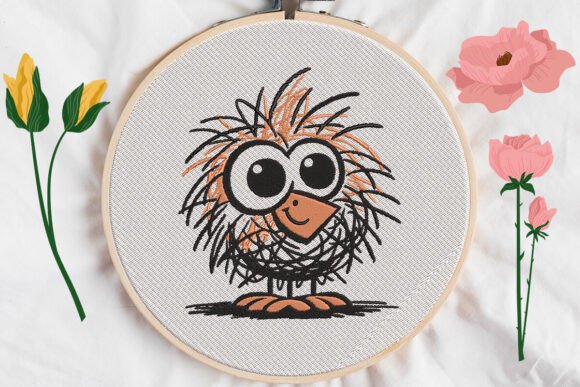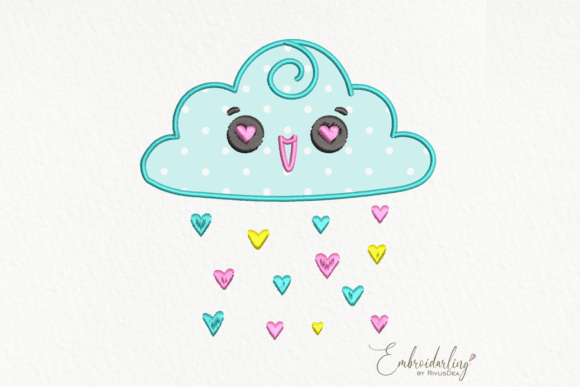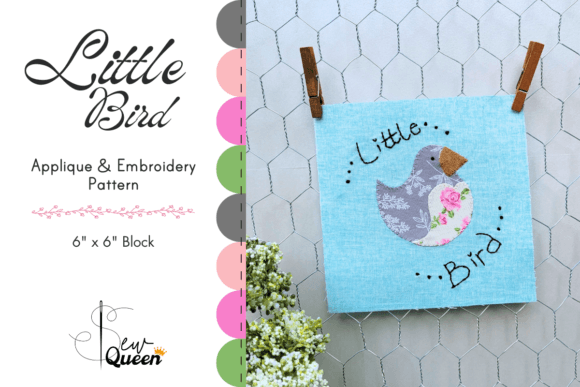
Little Bird – Applique Embroidery
First Impression: Sweet, Soft, and Instantly Recognizable
As an embroidery designer who’s prepped over 200 craft fair booths, I can tell you—Little Bird – Applique Embroidery lands with quiet charm. It’s not bold or edgy; it’s softly memorable. The title alone cues a gentle, handmade aesthetic—think baby quilts, nursery decor, and gift-ready kitchen textiles. “Tweet, tweet” and “oozes cuteness forever” aren’t just marketing fluff—they signal emotional resonance, which is gold at a craft fair where buyers choose with their hearts first. This isn’t a farmhouse stencil or a modern minimalist graphic—it’s a tender, illustrative applique that reads as warm, approachable, and authentically handmade.
Where It Shines: Craft Fair & Handmade Market Realities
In my booth setup—featuring embroidered tote bags, tea towels, aprons, patches, and pillow covers—Little Bird – Applique Embroidery performs strongest when used intentionally, not everywhere. Here’s the breakdown:
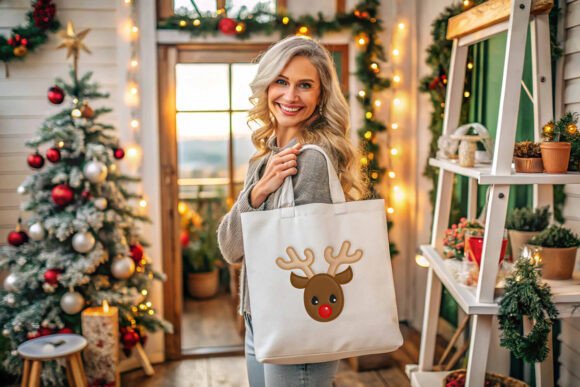
- Tote bag design: Works beautifully as a single focal point on the front pocket or lower corner—small enough to feel curated, large enough to catch the eye from three feet away.
- Apron embroidery: Perfect above the pocket or centered on the bib—adds personality without overwhelming the garment’s function.
- Tea towel embroidery: Ideal for the lower corner or along the hem. On textured terry or waffle-weave fabric, the applique’s clean edges hold up well—if stabilized correctly.
- Embroidered patch: A standout small shop product. Customers love peeling off a patch to sew onto a denim jacket or backpack—Little Bird – Applique Embroidery has just enough detail to feel special, but not so much it frays at the edges.
- Pillow cover & pouch embroidery: Excellent as a centered motif. Its rounded shape and balanced proportions scale cleanly across 8”–14” surfaces.
- Etsy seller & digital embroidery file use: As a Graphics-category asset, it converts well in listings paired with soft lifestyle photos—not flat mockups. Buyers respond to its warmth, especially in baby, nursery, and “slow living” niches.
What Holds It Back (And How to Fix It)
This design doesn’t scream “high contrast” or “bold statement”—and that’s intentional. But it means attention to detail is non-negotiable. In person, Little Bird – Applique Embroidery can fade into the background if:
- Stitch density is too high on lightweight cotton—causing puckering or stiffness;
- Thread colors lack enough contrast against dark or heavily textured fabric (e.g., charcoal linen tea towels);
- It’s shrunk below 3” wide—tiny beak or wing details risk blurring, especially on curved cap surfaces or tightly woven mugs rugs;
- The applique layer isn’t cleanly fused before stitching, leading to shifting or shadowing under dense satin borders.
Remember: this is an applique pattern—not just a filled stitch layout. That means your stabilizer choice, hoop size, and fabric prep directly impact whether customers see “handmade quality” or “slightly messy.”
Booth-Ready Practicality: From File to Finished Product
For Etsy sellers and small shop owners, Little Bird – Applique Embroidery scores high on batch production potential—but only if you test first. It’s simple enough to repeat across 20 tea towels in an afternoon, yet distinctive enough to avoid looking generic. Key production notes:
- Always test on scrap fabric—especially if using textured towels or thick canvas for market bags.
- Check thread contrast before stitching 50 units. Light yellow thread on ivory linen? Gorgeous. Same thread on oatmeal burlap? Nearly invisible.
- Review spacing and seam allowances—this design works best with breathing room. Crowding it near hems or corners sacrifices its softness.
- Confirm hoop size compatibility—applique requires stable hooping, and tight curves demand precision. Don’t assume it fits your standard 4x4 hoop without verifying.
- Inspect stitch density—dense fill areas may need lighter underlay or reduced density for breathable fabrics like chambray aprons.
- Use the right stabilizer: medium-weight cutaway for structured items (totes, caps), tear-away for tea towels and pillow covers.
- Create at least one real mockup—not a printable mockup, but a stitched, washed, and pressed sample. Does the bird hold its shape after laundering? Does the beak stay crisp?
- Compare fabric colors side-by-side—what reads “sweet” on cream may read “washed out” on ecru. Keep swatches on hand at your booth.
- Confirm commercial licensing before selling finished products—since the listing includes “JUST BROWSING CHECK OUT MY ENTIRE SHOP – SEW QUEEN,” verify usage rights apply to physical goods, not just personal use.
Why It Sells: Emotional Hook Meets Handmade Integrity
Little Bird – Applique Embroidery doesn’t sell because it’s complex—it sells because it feels *true*. At a craft fair, people don’t buy stitches—they buy nostalgia, comfort, intention. A customer pauses at your booth, sees the bird on a linen tea towel beside a handwritten tag (“Hand-stitched in Portland”), and imagines gifting it to her sister’s new baby. That moment? That’s where Little Bird – Applique Embroidery earns its place.
It strengthens brand consistency for makers who lean into gentle, nature-inspired storytelling. It lifts perceived value—because applique reads as more labor-intensive and artisanal than standard fill embroidery. And in your display, it adds visual rhythm: a soft counterpoint to bolder patterns or rustic wood tags.
Just remember—its power lies in restraint. Use it where it breathes. Let it be the quiet detail that makes someone say, “Oh—I *need* that.” Not because it shouts, but because it feels like home.