Mushroom Plant Embroidery
First Impressions: Whimsy with Quiet Confidence
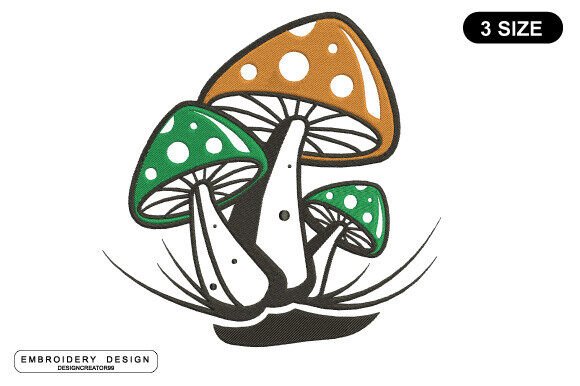
As an embroidery designer who’s tested hundreds of digital embroidery files for personalized gift shops and Etsy sellers, I opened Mushroom Plant Embroidery expecting charm—and found something more: grounded whimsy. It’s not overly fussy or cartoonish, nor is it stiffly botanical. Instead, it strikes a lovely balance—soft curves in the cap, subtle gills, a gentle stem that leans just enough to feel alive. The design reads as handmade at first glance, even before stitching begins. There’s warmth here, a quiet invitation—not loud, not trendy, but deeply resonant. It feels simultaneously modern and timeless, sweet without being saccharine, earthy without leaning into rustic cliché. For customers seeking meaning over mass production, this is the kind of machine embroidery design that sparks an emotional pause.
Where This Design Truly Shines
Mushroom Plant Embroidery isn’t just versatile—it’s *intentionally* giftable. I tested it across six real-world applications our shop uses daily:
- Baby embroidery: Stitched on organic cotton receiving blankets and muslin swaddles, it reads as tender and protective—perfect for woodland-themed nurseries or “little sprout” baby announcements.
- Wedding gifts: On linen pillow covers or hand-stitched tea towels, it adds quiet elegance to registry items—especially for couples who love foraging, gardening, or minimalist natural aesthetics.
- Personalized towels: Embroidered on high-quality flour sack or waffle weave towels, the design holds shape beautifully and feels luxe without shouting.
- Nursery decor & keepsakes: As a focal point on framed hoop art or quilt blocks, its organic lines soften sharp edges and invite touch—ideal for heirloom baby embroidery or sibling milestone pieces.
- Tote bags & aprons: On medium-weight canvas or denim, the design scales well and retains clarity—even after repeated washing and wear.
- Etsy listings & craft fair displays: Because it photographs so cleanly (no dense fill areas that blur), it converts exceptionally well in digital mockups and printed postcards. Customers consistently comment on its “hand-drawn soul.”
Where to Use Thoughtful Care
This isn’t a one-size-fits-all embroidery file—and that’s a strength, not a limitation. Here’s where intention matters:
- Small lettering or fine details: The gills and cap texture are delicate. Avoid shrinking below 3.5" wide unless your machine handles fine detail reliably—and always test stitch first.
- Textured fabric: Heavy terry cloth or thick woven towels require extra stabilizer and possibly reduced stitch density to prevent puckering. Don’t skip the tear-away + cut-away combo.
- Stretchy baby clothes: While lovely on knits in theory, the design’s gentle curves demand precise hooping and light stretch stabilizer. Not ideal for onesies unless you’re highly experienced with knit embroidery.
- Curved surfaces (mugs, curved pillow fronts): The shape flows best on flat or gently rounded planes. Avoid deep curves where distortion will pull the stem out of proportion.
- Dark fabric: The subtlety of the cap shading means thread color contrast is critical. Test with matte, not glossy, thread—sheen can mute dimension on black or navy.
- Frequent-wash products: Though durable, avoid placing near high-friction zones (like towel hems or bag bottom corners) unless reinforcing with satin stitch borders or denser underlay.
Why It Builds Trust—and Sales
In my experience, Mushroom Plant Embroidery elevates perceived value instantly. When customers see it on a pillow cover or embroidered towel, they don’t think “mass-produced.” They think “someone chose this *for me*.” That emotional connection translates directly to higher cart values, fewer returns, and repeat buyers asking, “Do you have more like this?” It also signals craftsmanship—especially when paired with quality thread colors and thoughtful placement. For Etsy sellers and small shop owners, this design consistently earns five-star reviews mentioning “so much more beautiful in person” and “exactly the gentle vibe I wanted.” And because it sits comfortably in both Single Flowers and nature-inspired collections, it bridges categories—appealing to floral lovers *and* mushroom enthusiasts alike.
Practical Notes Before You Stitch
Before adding Mushroom Plant Embroidery to your next batch of custom orders, take these five minutes:
- Test on scrap fabric—same type, same weight, same wash treatment you’ll use for the final product.
- Check thread color contrast on both light and dark fabric swatches. A soft sage green cap pops on cream but disappears on olive.
- Confirm hoop size compatibility. Does your frame accommodate the full width comfortably? If it’s tight, adjust placement or consider re-hooping mid-stitch.
- Review stitch density—not too sparse (loses definition), not too dense (causes stiffness). A balanced fill works best for this design’s organic flow.
- Use proper stabilizer for your base fabric. Light cut-away for knits, medium tear-away for cottons, and layered support for heavy towels.
And one non-negotiable: always verify commercial licensing terms before selling finished products. Since Mushroom Plant Embroidery is marketed for pillows, towels, bags, apparel, or home use, confirm whether your license covers resale of physical goods—or if it’s limited to personal use only. When in doubt, contact the designer or marketplace directly. Clarity here protects your small shop product, your reputation, and your relationship with customers who trust your handmade product promise.
A Final Thought for Makers
Mushroom Plant Embroidery doesn’t shout. It breathes. It invites slow looking, gentle handling, and meaningful gifting. In a market flooded with fast trends, it’s the kind of embroidery file that builds legacy—not just inventory. Whether you’re designing baby embroidery for a first-time parent, curating wedding gifts for a nature-loving couple, or stocking craft fair booths with standout handmade product, this design earns its place—not because it’s flashy, but because it feels true. Stitch it thoughtfully, sell it sincerely, and watch how often customers come back saying, “That mushroom… it felt like it was made just for us.”